Baby Brigit’s Story — A Lifeline of Care in Makueni
More than Twenty kilometres away from the nearest health facility lives baby Brigit. She is only sixteen months old, but in her young life, has gone through many painful health complications.
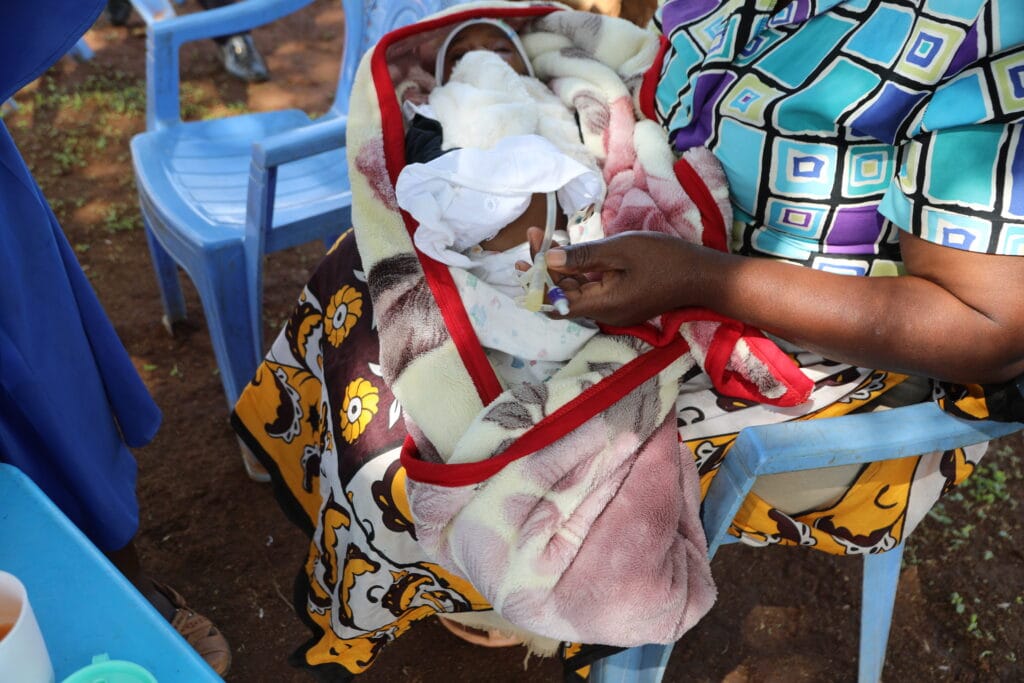
Brigit was diagnosed with a severe condition called esophageal atresia at birth, a disorder where the food pipe does not connect properly to the stomach. Because of this, she cannot swallow food or liquids. As a result, she required intensive care at the hospital and was admitted at a local health facility in Misere Village, Makueni County for 13 months.
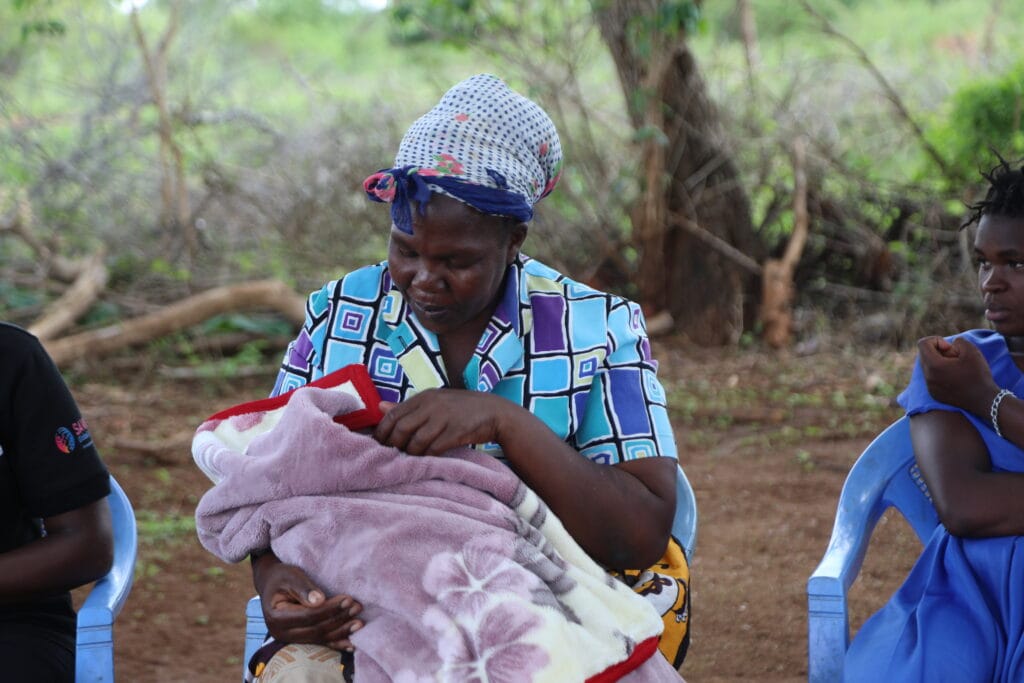
Today, Brigit has a feeding tube, and her mother, Catherine Mbinya, feeds her every day through it. The two live with Brigit’s grandmother, Magdalene, and grandfather, who sold all his cows to pay for medical costs and care.
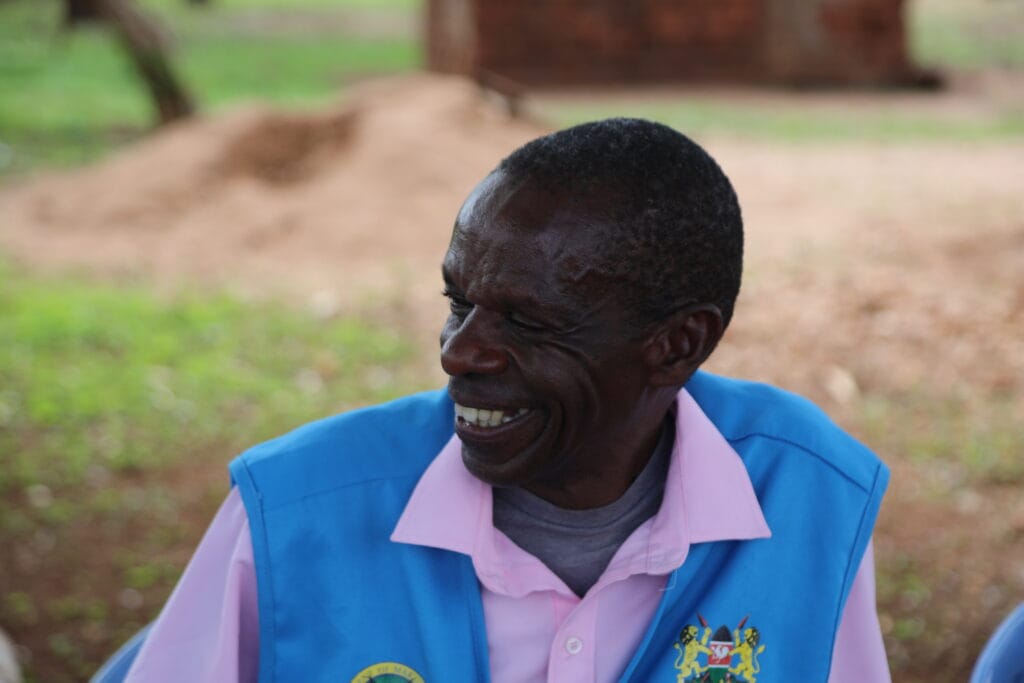
But in the middle of their struggles, there is hope. That hope comes in the form of Joseph Ngati, a dedicated community health promoter who visits the family every day. He is their lifeline of support.
“Joseph has been coming to see me day and night. Every single day, he passes by to make sure we are healthy, and the baby too,” says Magdalene as she holds the child in her arms.
Joseph shares how he first noticed that baby Brigit’s body temperature was unusually high. He referred the family to the hospital, where Brigit was admitted for another three weeks. “I grew up here. This is my home,” he says softly. “I am passionate about being here for my community.”
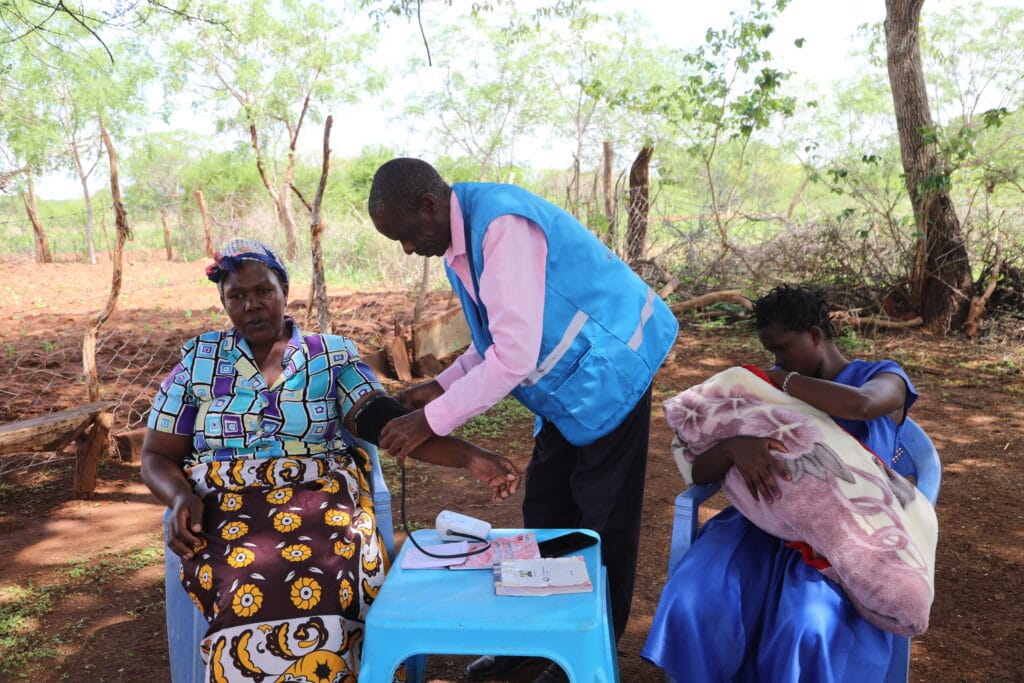
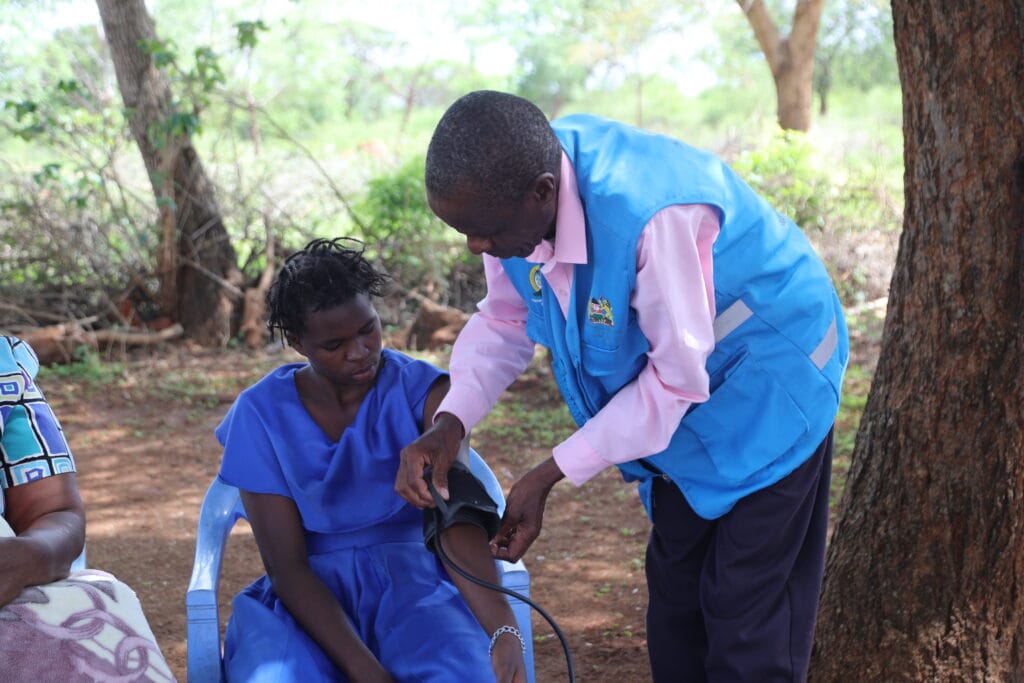
During his visits, Joseph checks Magdalene’s blood pressure and examines the baby. He asks gentle questions about the food Brigit is being given and offers simple advice on nutrition. “Try and diversify the food, and we will get you some supplements from the facility to help the baby’s growth,” he explains.
Joseph will follow up to make sure Brigit gets the care and nutrition she needs.
This is the value of a community health worker reaching families in communities who would otherwise go without formal healthcare. They with care, help the elderly, the young, and the sick navigate a health system that sometimes can feel distant, scary and complex for an individual.
This is the value of a community health worker reaching families in communities who would otherwise go without formal healthcare. They with care, help the elderly, the young, and the sick navigate a health system that sometimes can feel distant, scary and complex for an individual.
Across Africa, more than one million community health workers are already serving, yet many are not properly trained, equipped, or financed to reach the most vulnerable. Investing in community health systems could save over three million lives of Africa’s most vulnerable each year.
At the Financing Alliance for Health (FAH), we work with governments to design and operationalize investment cases for community health. These investments help unlock the value of CHWs and ensure fairer pay, better training, and stronger systems.
So far, FAH has helped secure $38.2 million in government budgets to support CHWs across Africa. Within the next five years, our goal is to mobilize $1 billion in financing toward community health — a meaningful contribution to the continent’s $4.4 billion annual gap.
There is still a long road ahead. But with every story like Brigit’s, and every health worker like Joseph, we take another step toward stronger, fairer health systems for all.