By Maya Hayakawa, Communications & Brands Specialist, Financing Alliance For Health
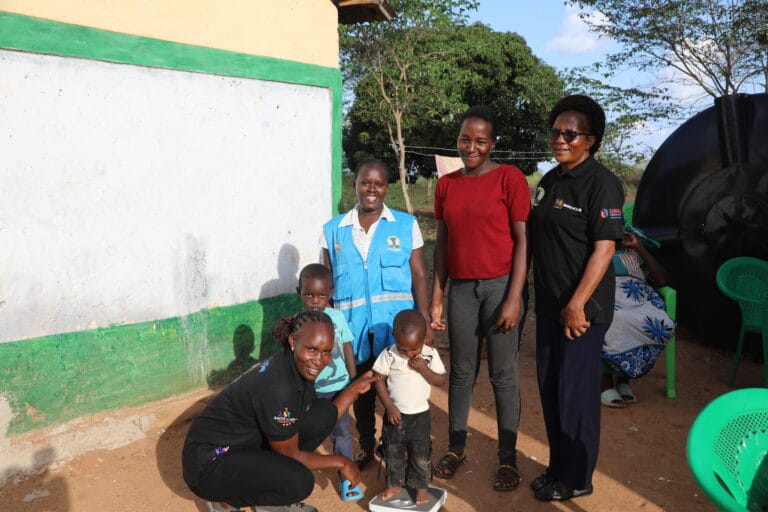
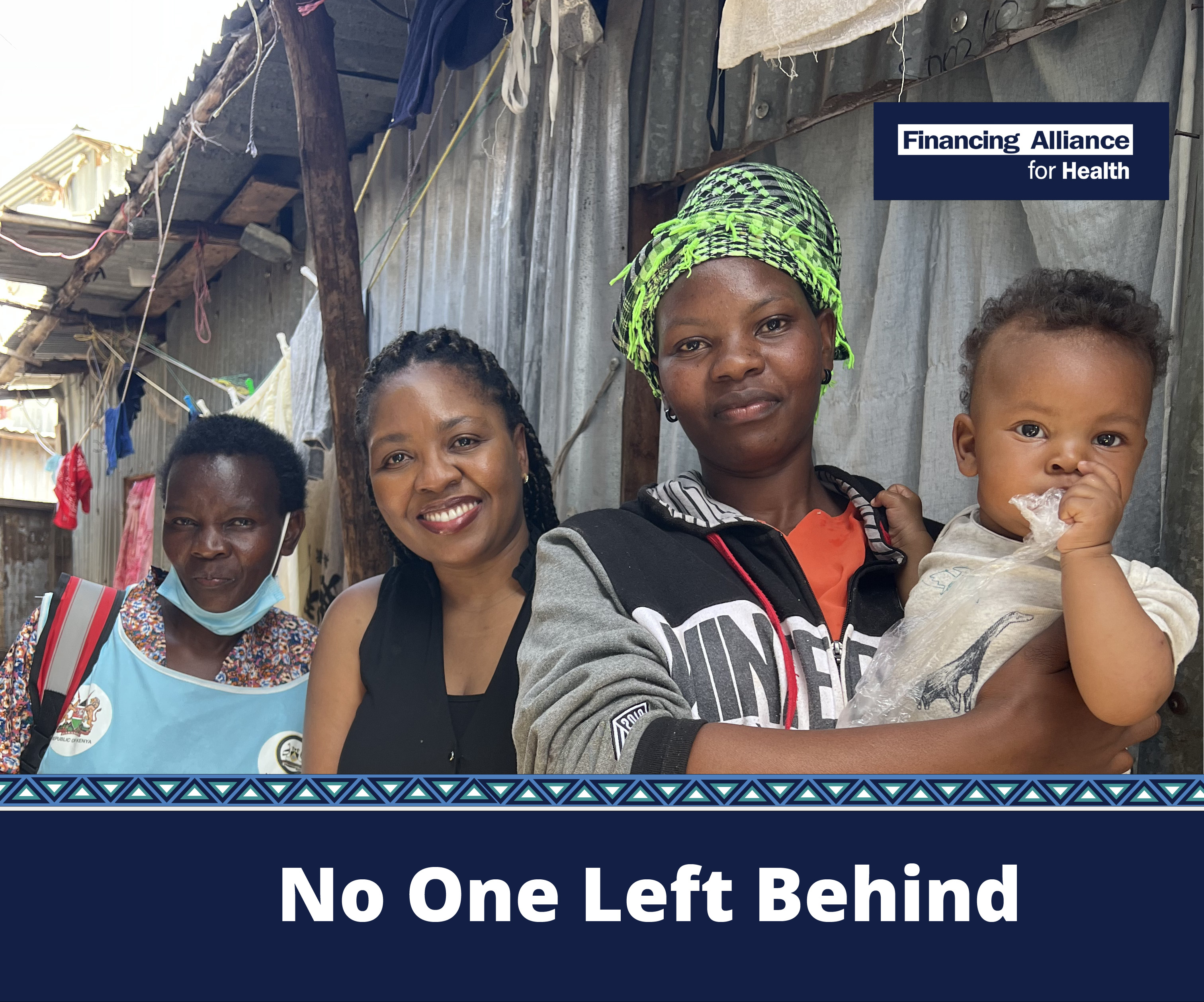
In Kosya village in Makueni County, Community Health Worker Caren Nduge supports more than 80 households. Like many arid and semiarid areas in Kenya, Makueni faces high rates of malnutrition and stunting among children, driven by food insecurity and limited access to routine health services.
One of the families under Caren’s care is that of 23yearold Evelyne Mueni, who lost her husband in a motorcycle accident. When Caren first registered the household in the digital community health system, baby Evans was flagged in the red zone, severely malnourished and at high risk of stunting.
Using Kenya’s electronic Community Health Information System (eCHIS), Caren conducted regular followups, recorded Evans’ progress digitally, and received prompts to monitor nutrition, adherence to supplements, and clinic attendance.
The system allowed her to track weight improvements over time, ensure timely immunizations, and link Evelyne to additional nutrition support when alerts showed slow progress.
Within months, Evans’ weight steadily improved, moving from the red into the healthy green category. The digital records show consistent progress across multiple visits- a clear example of how timely, data-driven follow-up can reverse malnutrition.
The same digital system enabled Caren to support other members of the family, including their grandmother, 80yearold Veronica Muthami, who lives with hypertension. When Caren recorded dangerously high blood pressure readings, the system guided her through a referral process and allowed her to schedule and track followup visits.
This single household story reflects a larger shift happening across Kenya: digitized community health is enabling earlier identification of risks, stronger continuity of care, and faster action. With 107,000 professionalized and compensated CHWs equipped with smartphones, Kenya is demonstrating how digital tools can strengthen primary healthcare at scale.
When community health goes digital, care goes further
How Digital Tools Are Strengthening Health Systems, Expanding Equity, and Transforming Lives Across Kenya
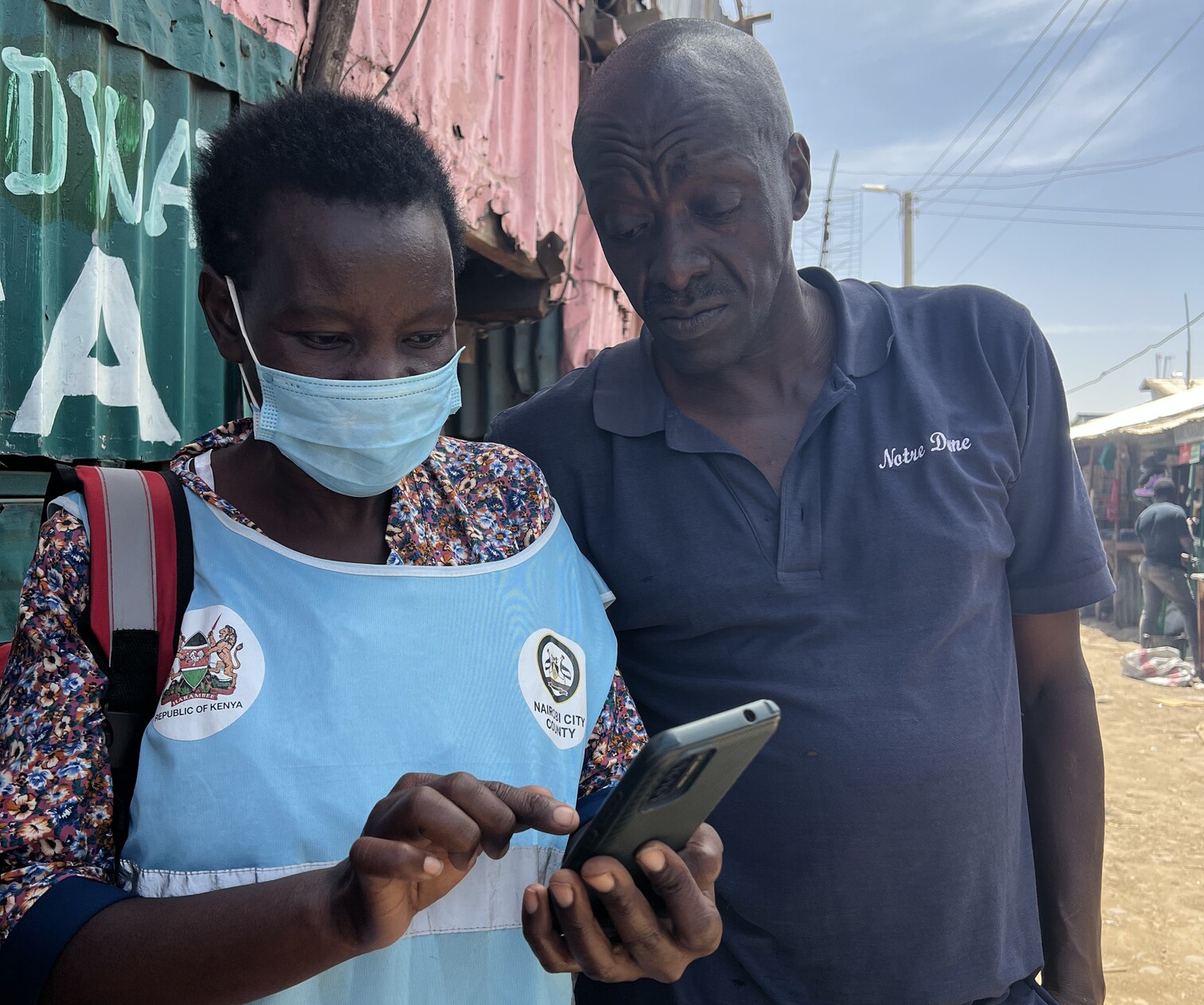
For Community Health Promoters across Kenya, a smartphone is no longer just a device. It has become a lifeline; connecting households, health systems, and decision-makers in ways that were not possible even a decade ago. What began as simple digital registration has evolved into a powerful, national-scale platform that is reshaping how care is delivered.
As CHPs move from home to home, they use digital tools to register families, track nutrition and health risks, follow up on referrals, supporting chronic disease management and flag urgent cases in real time. This means children at risk of malnutrition are identified earlier, pregnant mothers are followed more closely, and chronic conditions are monitored before they escalate.
Behind the scenes, every visit, measurement and referral feeds directly into electronic Community Health Information System (eCHIS)-Kenya’s national digital platform for community health, strengthening visibility and response across the system. By August 2025, 98% of reported issues in eCHIS were resolved, showing rapid improvements in data quality, and response time. Kenya is already preparing for the next phase: integrating machine learning to improve early-warning systems and predict health risks before they occur.
More Governments are Turning to Digital Health to Strengthen Efficiency
Kenya is not alone. Across Africa, governments are increasingly adopting digital community health platforms because they solve long-standing gaps in:
- Visibility:Digital tools show instantly- where health workers are active, what services they provide, and which households need urgent follow-up.
- Efficiency:Automated reminders, AI-driven risk flags, and digital referrals reduce delays and improve case resolution times.
- Resource Allocation:Funding, supplies, and personnel can be directed exactly where they are needed most- improving value for money.
- Accountability:Systems like the stipend tracking tools bring clarity and trust: who is being paid, who is active, and what impact is being made.
These efficiencies matter even more as governments face tightening fiscal space. Kenya increased its health allocations from KES 78 billion in FY 2013/14, more than doubling to KES 280 billion in FY 2023/24, yet health spending still accounts for only 9.7% of total public expenditure, still below global benchmarks. As external funding faces projected declines, smart tools help ensure that every shilling, dollar, and resource yields higher impact.
Kenya uses its national electronic Community Health Information System (eCHIS) and integrated digital payment rails to track stipend eligibility, verification, and disbursement for Community Health Promoters, enabling realtime transparency on who is active, who is being paid, and where resources are going.
Professionalizing Community Health Workers Powered by Technology
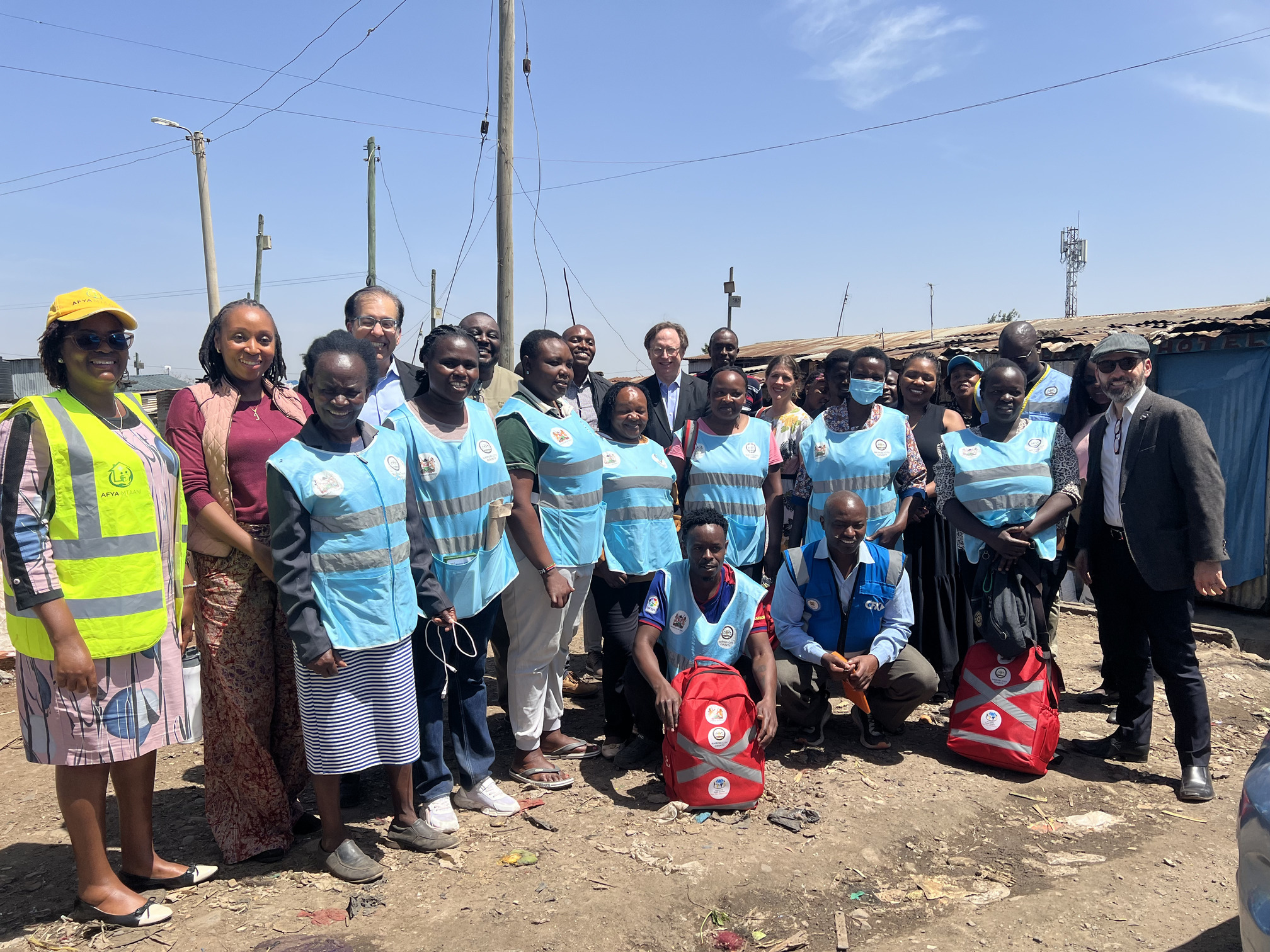
Digitization works because it is layered on top of a professionalized, supported workforce.
By October 2025, Kenya’s 107,769 Community Health Promoters were on the payroll through the national–county matching fund. Although there continue to be disbursement delays, financing constraints, and other challenges, the political goodwill and mechanisms needed to sustain compensation are in place. Their smartphones and kits represent more than technology – they symbolize recognition that community health is skilled, essential, lifesaving work.
When well-funded, well-trained and well-equipped, CHWs deliver exponential returns on investment for health systems as they empower community health workers to be more effective, and efficient reaching households in all corners of the country that are otherwise locked out of the formal health system.
The recovered child in Makueni county is just one story. Multiplied across thousands of households, it represents a national shift:
- Community health data is no longer trapped in paper registers.
- Decision-makers access real-time insights from the household level to the national dashboard.
- Payments and performance are transparent and trackable.
- Risk is identified earlier.
- Care is more predictable, more equitable, and more proactive.
What’s Next: The Future of Digital Health in Africa
Countries are now entering the next phase – building on data foundations to create smarter, more connected systems. Growth areas include:
- Predictive analytics:Using AI to anticipate disease outbreaks, nutrition trends, and maternal health risks.
- Integrated financing and payroll systems:Ensuring CHWs are paid on time, everywhere, with full transparency.
- Interoperability:Linking community-level data to primary care, supply chains, labs, and insurance systems.
- Mobile-first service delivery:Households receiving follow-up messages, reminders, and telehealth support.
- Stronger county and national planning:Governments using digital insights to shape budgets, manage workforce distribution, and improve health equity.
This is how digital technology expands access – by making health systems fairer, faster, and more resilient.