Lusaka, Zambia’s capital, with a population exceeding 1.74 million, has experienced rapid urban growth fueled by rural-to-urban migration. This expansion has led to the emergence of informal settlements such as Kanyama, where poor sanitation and limited access to clean water create ideal conditions for waterborne diseases like cholera, typhoid, and dysentery — particularly during the rainy season.
Zambia’s worst Cholera Outbreak in 2023/2024
In October 2023, the Zambia National Public Health Institute reported a cholera outbreak that initially emerged in Kanyama, one of Lusaka’s most densely populated and vulnerable townships. Within weeks, the disease spread rapidly across Lusaka and eventually to other parts of the country. By the end of the outbreak, Zambia had recorded approximately 8,276 cases of cholera, resulting in over 700 deaths.
Health facilities, particularly in hotspot areas like Kanyama — with a population of over 562,000 — were overwhelmed. Kanyama Level One Hospital, for instance, was receiving between 100 and 170 cholera patients per day at the height of the outbreak.
Community Based Volunteers: A Crucial Frontline Force
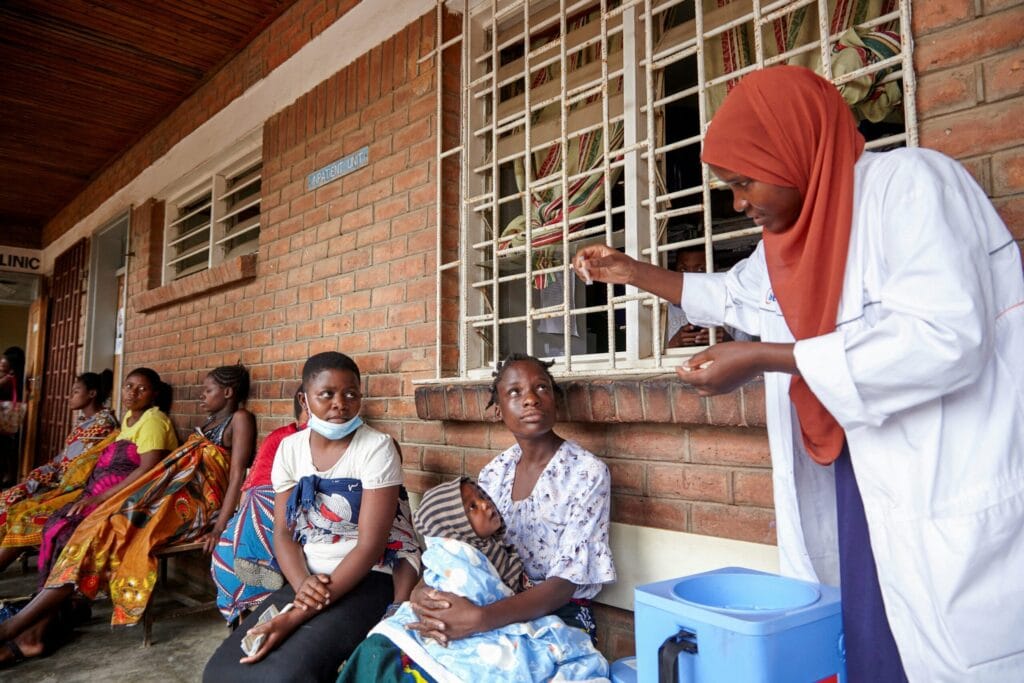
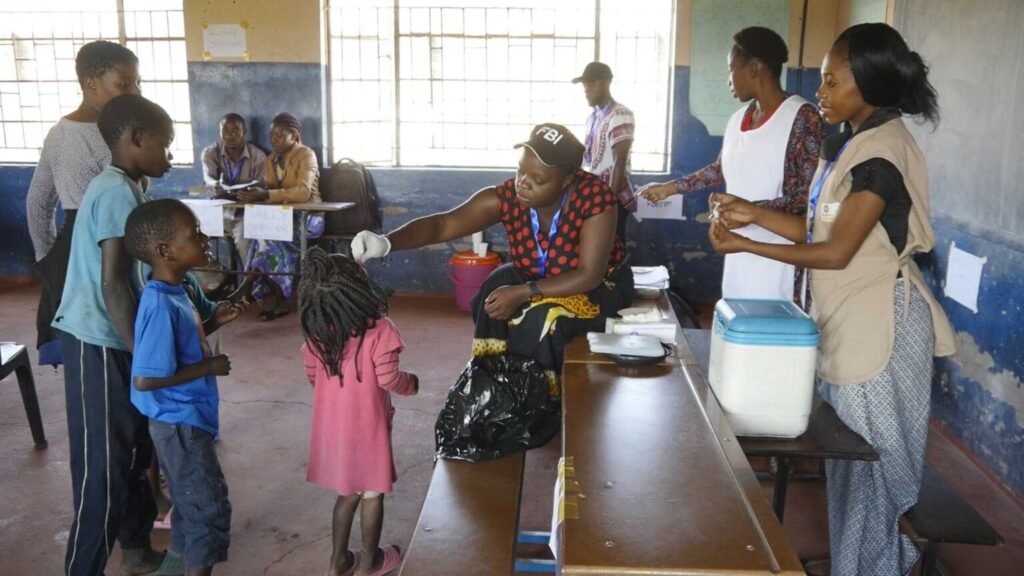
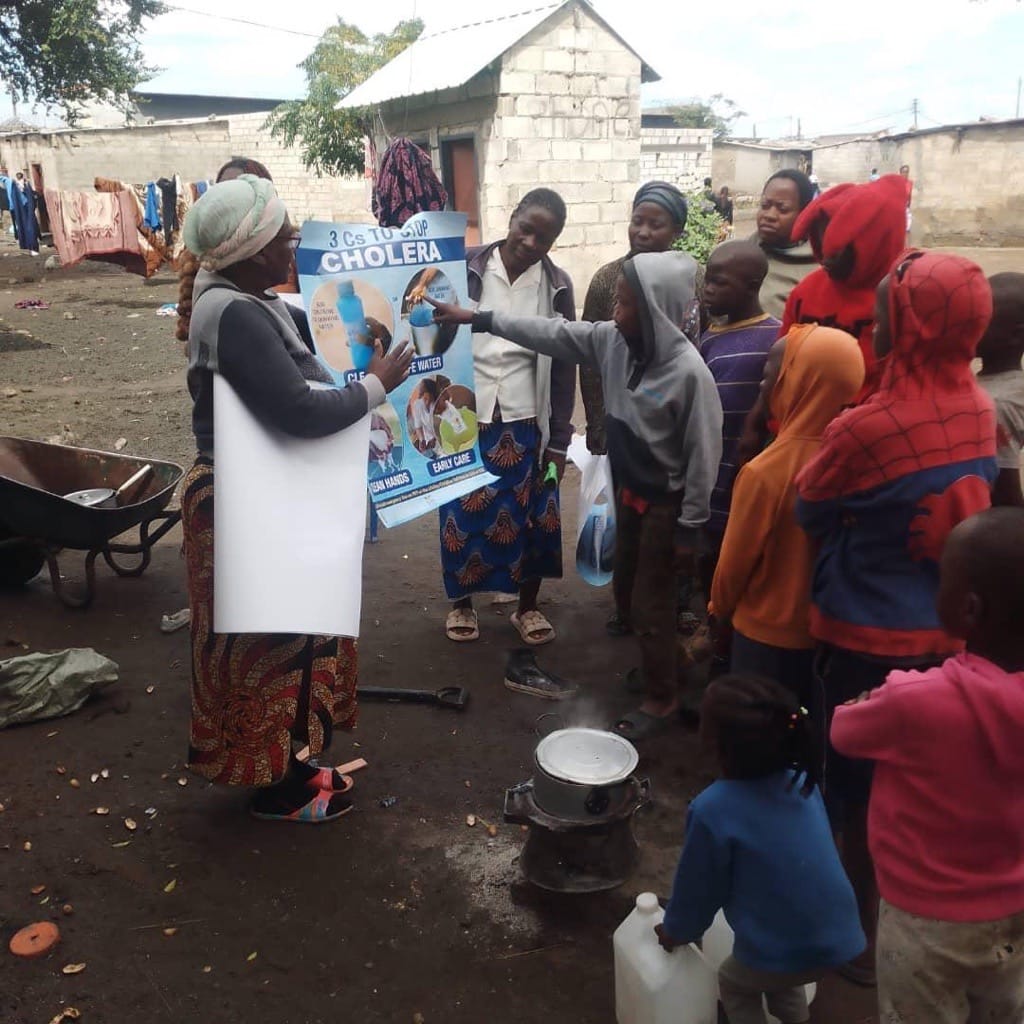
In response to the overwhelming burden on health services, Community-Based Volunteers (CBVs) were mobilized as a key part of the containment strategy. Ms. Enala Mbao, an environmental health officer at Kanyama Level One Hospital, emphasized the vital contribution of Community-Based Volunteers (CBVs) in both disease prevention and raising public awareness. “At the peak of the crisis, when the healthcare system was under immense strain, it was the CBVs who stood firm — supporting communities one household at a time,” she remarked. Approximately 600 CBVs in the Kanyama sub-district responded swiftly to the call. Their activities included:
- Door-to-door health education on proper hygiene practices
- Distribution of chlorine for water treatment
- Monitoring and advising on safe water sources
- Encouraging handwashing and food safety practices
- Prompt referral of suspected cholera cases to health facilities
Some CBVs even went further, volunteering to help at the health facilities — cleaning triage areas, mopping wards, and chlorinating surfaces, often working night shifts to maintain hygiene in patient care areas.
The government, through the Disaster Management and Mitigation Unit (DMMU), also stepped in by providing clean water tanks, while other partners supplied essential materials such as hand sanitizers, soap, and more chlorine.
CBVs’ Continued Commitment
One CBV, Ms. Edina Nampungwe, reflected on the severity of the outbreak and how the consistent daily efforts of volunteers, particularly door-to-door education and chlorine distribution, helped bring down the number of new cases. She noted with pride that many CBVs continue these efforts to this day, working to prevent another outbreak by promoting hygiene awareness. “We do this every day, because we care deeply about the health and well-being of our community. Every household we reach is a chance to make a difference,” she said.
Nationwide, Zambia has over 90,000 Community-Based Volunteers (CBVs), forming the backbone of the country’s primary health care system. Despite delivering a remarkable return on investment — estimated at 1:10 — CBVs remain significantly underfunded. Yet, there is hope on the horizon. Zambia is taking steps to institutionalize and strengthen this vital workforce, ensuring they are equipped with the necessary skills and receive fair compensation. With support from the Global Fund, 11,600 salaried polyvalent CBVs have already been deployed in recent years, and plans are underway to train and deploy an additional 33,400 by 2030.
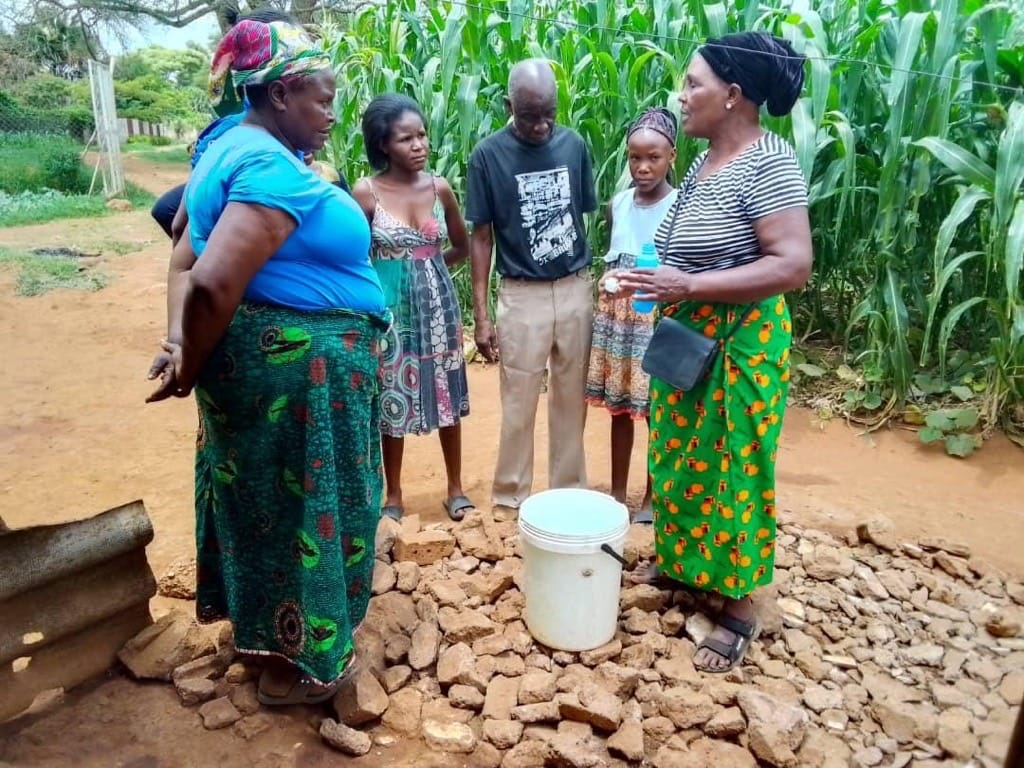
The 2023/2024 cholera outbreak in Lusaka was one of the deadliest in recent years, but the swift, collaborative response — especially the dedication and bravery of Community-Based Volunteers — was crucial in bringing it under control. Their continued presence and involvement in public health education remain vital in preventing future outbreaks in Lusaka’s vulnerable communities.