ABOLISHING USER FEES: A GENDER IMPERATIVE IN A CHANGING AID LANDSCAPE
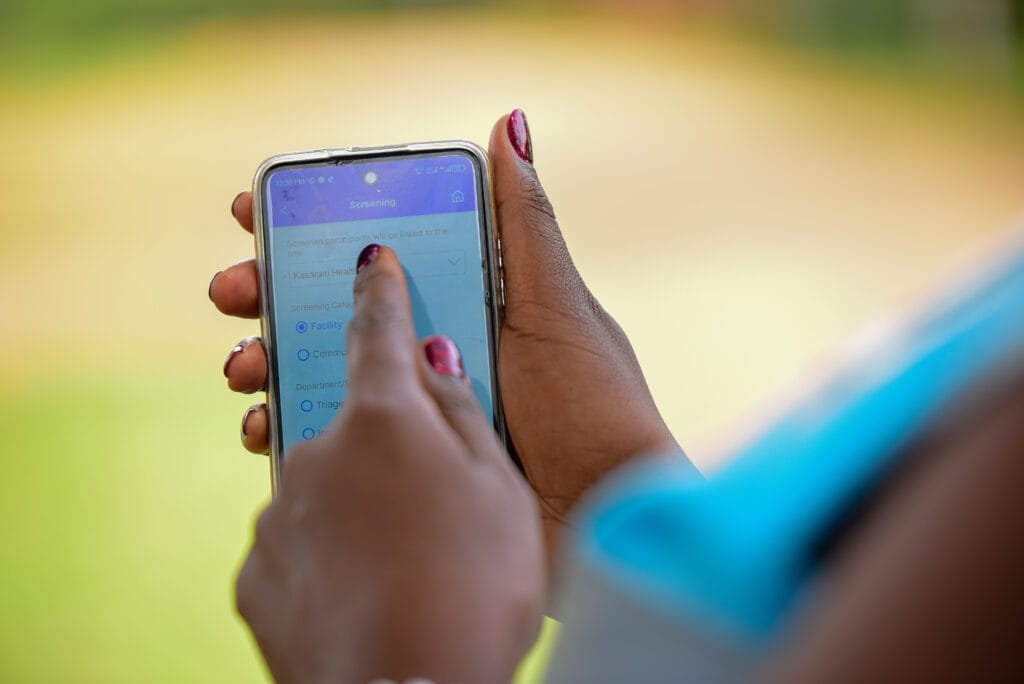
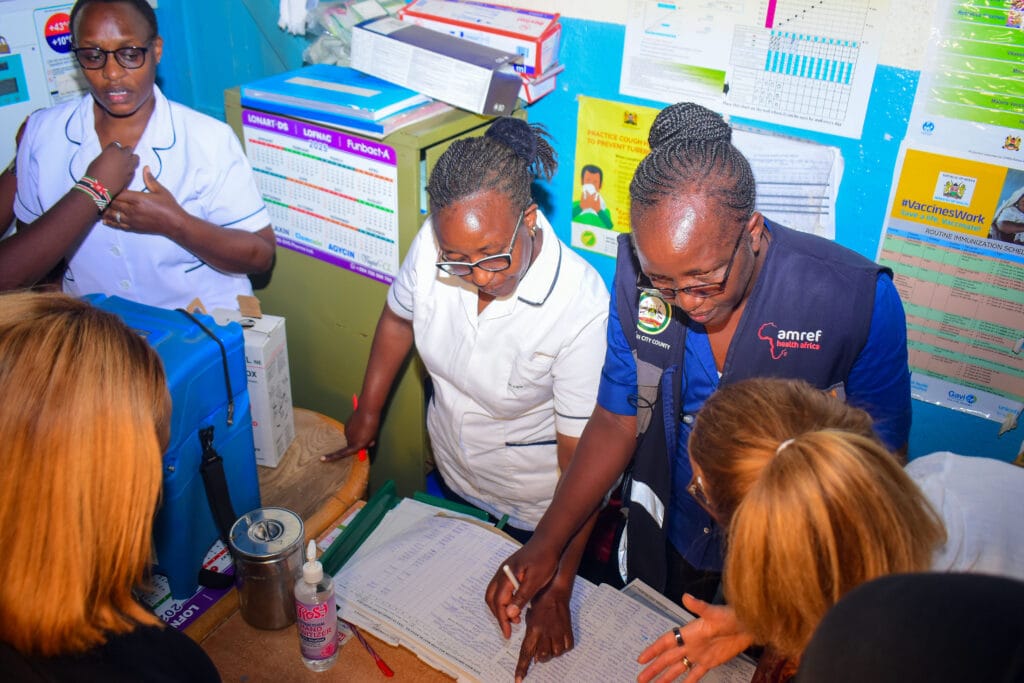
At a rural clinic gate, a mother waits with her feverish child. She has walked for hours, but the nurse cannot admit them. The reason is not lack of compassion or clinical skill, but money: without user fees, there will be no consultation, no diagnosis, and no medicine. This scene is a recurring tragedy across many countries, and one that disproportionately hurts women and children.
The Funding Squeeze and Its Gendered Risks

Global health financing is at a crossroads. Official Development Assistance (ODA) is stagnating as donors reallocate funds toward climate change, humanitarian crises, and geopolitical security (OECD, 2024). Domestic fiscal space is also constrained by debt servicing and economic shocks. In many countries, this “funding squeeze” has reignited debates on cost-recovery and the potential reintroduction or scaling up of user fees.
The gender repercussions of this shift are profound. When subsidies shrink, households—often women—absorb the costs through unpaid labor, foregone care, or catastrophic spending. Reintroducing or expanding user fees risks undoing decades of progress toward Universal Health Coverage (UHC) and disproportionately harms women and girls, who already face financial, cultural, and social barriers to accessing care (Morgan et al., 2018).
The Funding Squeeze and Its Gendered Risks
User fees are not just a neutral financing tool; they are a gendered barrier. Women—who are more likely to be poor, unemployed, or working in the informal sector—often lack decision-making power over household income (Grown, Addison, & Tarp, 2016). When fees are imposed, families frequently prioritize men’s health or children’s health over women’s, delaying or denying care for mothers, pregnant women, and adolescent girls.
Research shows that even small fees deter care-seeking. A World Bank study found that fee removal in Uganda led to a 70% increase in outpatient visits, particularly among women and children (Xu et al., 2007). In contrast, where fees remain, delays in seeking maternity care or treatment for preventable diseases continue to drive maternal and child mortality.
Counterarguments and Realities
Critics argue that without user fees, health systems lose vital revenue. Yet, user fees typically account for less than 5% of total health financing in low-income countries, and the administrative cost of collection often outweighs the benefits (WHO, 2010). Others worry about quality deterioration, but evidence from countries like Rwanda shows that alternative financing—through insurance schemes and increased government investment—can sustain both quality and equity.
Counterarguments and Realities
Abolishing user fees does not mean abandoning health financing. It means shifting toward gender-responsive, equitable models:
· Progressive domestic financing: Ring-fencing health budgets, taxing harmful products (alcohol, tobacco, sugar), and reducing inefficiencies.
· Gender-responsive budgeting (GRB): Ensuring that health allocations explicitly account for the different needs and constraints of women, men, boys, and girls.
· Community-based health insurance: With subsidies for vulnerable groups, these can provide a buffer against fiscal shocks.
· Donor partnership redesign: Even as ODA shifts, donors must commit to UHC-aligned, gender-responsive financing that prevents cost-barriers from creeping back.
A call to courage
Health financing is not gender-neutral. Every dollar cut, every fee imposed, is a choice about whose life is valued. As ODA shrinks and fiscal austerity looms, policymakers face a stark choice: revert to regressive, gender-blind cost recovery, or safeguard equity by abolishing user fees and advancing gender-responsive health financing.
Women should not have to choose between feeding their families and seeking healthcare. Mothers should not bury children because of a missing coin. Abolishing user fees is not charity—it is justice, equity, and smart economics.
The true measure of health system resilience is not how it responds to the next pandemic, but how it ensures that no woman, man, or child is ever turned away at the clinic gate
References
· Grown, C., Addison, T., & Tarp, F. (2016). Aid for gender equality and development: Lessons and challenges. Journal of International Development, 28(3), 311–319. https://doi.org/10.1002/jid.3211
· Morgan, R., George, A., Ssali, S., Hawkins, K., Molyneux, S., & Theobald, S. (2018). How to do (or not to do)… gender analysis in health systems research. Health Policy and Planning, 33(1), 98–112. https://doi.org/10.1093/heapol/czx163
· OECD. (2024). Development Co-operation Report 2024: Lessons in linking climate action and development. OECD Publishing. https://doi.org/10.1787/dcr-2024-en
· World Health Organization (WHO). (2010). Health systems financing: The path to universal coverage. World Health Report 2010. https://www.who.int/publications/i/item/9789241564021
· Xu, K., Evans, D. B., Carrin, G., Aguilar-Rivera, A. M., Musgrove, P., & Evans, T. (2007). Protecting households from catastrophic health spending. Health Affairs, 26(4), 972–983. https://doi.org/10.1377/hlthaff.26.4.972
About the Author
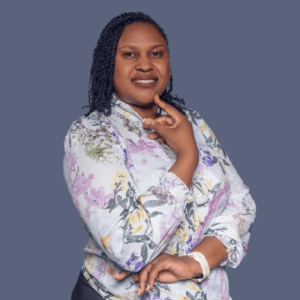
Dr.Thenjiwe Sisimayi
Dr. Thenjiwe Sisimayi is the Gender Advisor at the Financing Alliance for Health.